Why Multi-Platform Video Marketing Matters for Small Businesses
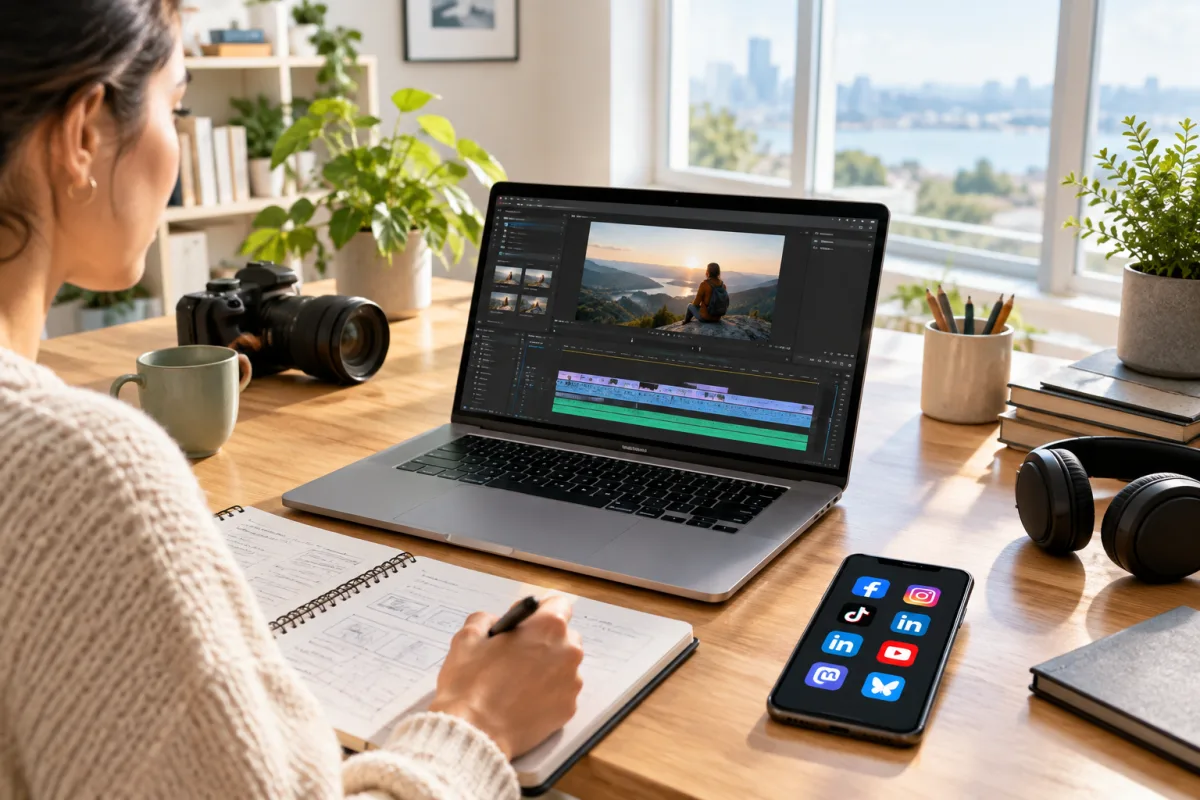
Video content drives engagement and builds brand presence across social media. Small businesses benefit from reaching diverse audiences on platforms like Facebook, Instagram, TikTok, LinkedIn, Pinterest, and YouTube. Federation-friendly networks such as Mastodon and Bluesky offer emerging opportunities for community-building beyond traditional silos. However, managing video content on multiple platforms can overwhelm teams with limited time and resources. This guide focuses on practical, resource-conscious strategies to maintain a useful and consistent multi-platform video presence.
Understanding Platform Differences and Audience Expectations
Each platform has unique video formats, audience behaviors, and algorithmic preferences. Facebook and Instagram favor a mix of short and long videos with engaging thumbnails. TikTok thrives on vertical, short, and authentic clips. LinkedIn is ideal for professional, educational, or B2B content. Pinterest supports video pins for inspiration and product discovery. YouTube remains the hub for long-form and Shorts content. Mastodon and Bluesky prioritize open, federated communities often seeking authentic, less algorithm-driven content.
Tailoring content to platform norms improves engagement but can increase workload. Recognizing these differences upfront helps you prioritize where to invest your time.
Prioritize Platforms Based on Your Audience and Resources
Not all platforms deserve equal attention. Analyze where your customers or prospects spend time. If your business caters to professionals, focus more on LinkedIn and YouTube. For consumer brands, Instagram, TikTok, and Pinterest might yield better results.
Balancing your time means selecting 2-3 primary platforms where you can consistently post quality video. Secondary platforms can receive repurposed content occasionally. This focus prevents burnout and maintains audience expectations.
Streamline Video Production With Batch Creation
Batching video production is a time-saving tactic. Set aside dedicated blocks of time to film multiple videos at once. This approach reduces setup and mental switching costs.
Plan scripts or talking points ahead, reuse backgrounds or locations, and record several takes to ensure you have flexible content to edit. Batching also allows you to schedule consistent releases without last-minute rushes.
Repurpose Content Strategically Across Platforms
Repurposing is essential to maximize reach with minimal extra work. Start with a core video and adapt it for each platform’s format:
- Crop horizontal videos to vertical for TikTok and Instagram Reels.
- Extract short clips or highlights for Stories or Shorts.
- Add captions or platform-specific overlays.
- Reuse audio or themes to create related videos.
Be mindful that direct cross-posting without adjustments can reduce engagement. Small tweaks tailored to platform norms increase effectiveness.
Leverage Scheduling and Publishing Tools to Save Time
Manual posting across platforms is time-consuming. Social media video schedulers help plan, upload, and publish videos automatically. Tools supporting multiple platforms reduce repetitive work and allow you to maintain a steady content calendar.
Scheduling also enables you to post during peak audience times without being online yourself. Compare options based on platform support, video format compatibility, and ease of use.
Cross-Posting to Federation-Friendly Platforms
Federation networks like Mastodon and Bluesky offer smaller but engaged audiences that value authenticity. Cross-posting video content there increases your footprint without heavy competition.
When cross-posting to federated platforms, consider:
- Adjusting captions to fit community tone.
- Hosting videos on a platform that supports federation-friendly embedding.
- Using open standards and links back to your main profiles.
This approach builds community connections and diversifies your audience beyond mainstream social media.
Tracking Performance Without Overwhelm
Even with limited time, tracking video performance is necessary to refine your strategy. Focus on a few key metrics like views, engagement rate, and follower growth on your primary platforms.
Avoid chasing vanity metrics across every platform. Instead, use platform-native analytics or centralized dashboards when possible. This helps identify what content resonates and where to focus your efforts.
Practical Workflow Example Using VidSyndicate
VidSyndicate enables small businesses to upload a single video and distribute it seamlessly to Facebook, Instagram, TikTok, LinkedIn, Pinterest, YouTube, Mastodon, and Bluesky. This centralizes your workflow and reduces repetitive uploads.
For example, you can batch-produce videos, upload them once to VidSyndicate, and schedule platform-specific posts, saving hours each week. Its support for federation networks helps you reach open audiences alongside traditional social media.
If you want to learn more about how to centralize your video social media scheduling, check out our [Video Social Media Scheduler](/social-media-video-scheduler) guide.
Crafting Video Content That Resonates with Small Business Audiences
Understanding your audience is crucial when creating video content that truly connects. Small business customers often seek authenticity, helpfulness, and relatability in videos rather than polished corporate messaging. Focus on addressing their pain points, answering common questions, or showcasing behind-the-scenes glimpses of your operations. This approach builds trust and encourages engagement.
Start by researching your audience’s demographics, interests, and challenges. Use comments, messages, and customer feedback to identify topics that matter most. Videos that solve specific problems or demonstrate product benefits tend to perform well across platforms, from TikTok to LinkedIn. Tailoring your message to the platform’s audience further enhances resonance.
Storytelling is a powerful tool for small business video marketing. Share your brand’s origin story, customer success stories, or day-in-the-life narratives. Authentic stories humanize your brand and foster emotional connections. Keep stories concise and focused, especially for platforms favoring short formats like Instagram Reels or TikTok, where attention spans are brief.
Avoid jargon and overly technical language; aim for clear, conversational tone that your typical customer would appreciate. Incorporate calls to action that invite viewers to engage, such as asking questions, sharing experiences, or visiting your website. Engaging content encourages algorithmic boosts, increasing your video’s organic reach. By crafting content that resonates, you build a loyal audience over time without requiring large marketing budgets.
Optimizing Video Formats and Lengths for Each Platform
Each social media platform has preferred video dimensions and lengths that maximize viewer retention and engagement. Understanding these technical specifications helps avoid frustrating viewers with poor formatting or excessively long videos. For example, TikTok and Instagram Reels favor vertical videos with a 9:16 aspect ratio, typically under 60 seconds, whereas YouTube supports horizontal 16:9 videos with lengths ranging from a few minutes to an hour or more.
Facebook and Instagram feed videos perform well in square (1:1) or vertical formats, with lengths usually between 15 seconds and 3 minutes. LinkedIn videos tend to be more professional, with optimal lengths around 1 to 3 minutes, focusing on educational or industry-related content. Pinterest video pins should be vertical and concise, often under 30 seconds, to capture quick inspiration moments.
When producing videos, plan for these variations upfront. Shoot or edit with flexibility in mind so you can crop or trim videos without losing essential content. Many video editing tools allow exporting multiple versions optimized for different platforms, saving time in repurposing. Be mindful of platform-specific constraints, like TikTok’s 10-minute maximum length or Instagram Stories’ 15-second segments.
Beyond dimensions and length, consider platform-specific features such as captions, stickers, or interactive elements like polls and questions. Including subtitles or captions is especially important since many users watch videos muted. Ensuring your videos meet these technical and stylistic expectations increases the likelihood that your content will be fully viewed and shared.
Balancing Authenticity and Professionalism in Small Business Videos
Small businesses often face the challenge of presenting themselves as trustworthy and professional while maintaining an authentic, approachable tone. Striking this balance is essential for video marketing success, as overly polished videos can feel impersonal, while too casual videos might undermine credibility, especially in certain industries like finance or healthcare.
Authenticity means showing real people, genuine emotions, and unscripted moments. This could include candid shots of your team working, customer testimonials, or behind-the-scenes clips. Such content helps humanize your brand and builds emotional connections with viewers. Authentic videos tend to perform well on platforms like TikTok and Mastodon, where users value transparency and relatability.
Professionalism involves ensuring good lighting, clear audio, and steady camera work. Investing in basic equipment like ring lights, microphones, and tripods can significantly improve video quality without large expenses. Editing videos to remove distractions, add branding elements, and incorporate clean transitions also enhances perceived professionalism.
Finding your style means experimenting and soliciting feedback from your audience. Monitor engagement and comments to see if your videos feel trustworthy and relatable. Over time, you can refine your approach to match your brand personality and audience expectations, creating videos that are both authentic and polished enough to inspire confidence.
Leveraging User-Generated Content to Amplify Your Video Presence
User-generated content (UGC) can be a powerful asset for small businesses aiming to expand their video presence without significant production costs. Encouraging your customers or community members to create and share videos featuring your products or services adds authenticity and social proof. This type of content often resonates strongly with potential customers, as it feels more genuine than traditional advertising.
To incorporate UGC effectively, start by inviting your audience to participate in challenges, contests, or hashtag campaigns related to your brand. For example, ask customers to share short clips demonstrating how they use your product or highlighting their favorite features. Recognize and reward contributions by featuring selected videos on your official social media accounts or offering small incentives.
When sharing UGC, always obtain permission and credit the creators appropriately. This not only respects content ownership but also encourages further participation. Use tools like VidSyndicate to easily collect, curate, and schedule user videos across your platforms, ensuring consistency and streamlined workflow while showcasing diverse voices within your community.
Integrating UGC reduces your content creation burden and builds a sense of community around your brand. It also provides fresh, varied content that appeals across platforms, from TikTok’s short clips to longer testimonial videos on YouTube or LinkedIn. By leveraging your audience’s creativity, you multiply your video presence authentically and cost-effectively.
Integrating Video SEO to Enhance Discoverability
Creating great video content is only half the battle; ensuring it reaches your target audience requires attention to video SEO (search engine optimization). Optimizing your videos for search improves their visibility on platforms like YouTube, Google, and social networks with search features, driving organic traffic without extra advertising spend.
Start by conducting keyword research relevant to your business and audience. Use tools such as Google Keyword Planner, YouTube’s autocomplete, or social listening to identify common search terms and questions. Incorporate these keywords naturally into your video titles, descriptions, and tags to help algorithms understand and rank your content appropriately.
Captions and transcripts also play a crucial role in SEO. Including accurate subtitles improves accessibility and allows search engines to index your video content more effectively. Many platforms, including YouTube and Facebook, support caption uploads, and some scheduling tools can generate captions automatically, saving time while enhancing reach.
Additionally, create compelling thumbnails and engaging titles that encourage clicks without resorting to clickbait. Consistent branding and clear messaging help build trust and recognition over time. Combining these SEO practices with your multi-platform strategy ensures your videos are discoverable where your audience is actively searching. This approach maximizes the return on your video production efforts.
Building a Sustainable Content Calendar for Consistency
Consistency is key in social media marketing, but small businesses often struggle to maintain a regular posting schedule due to limited resources. Developing a sustainable content calendar tailored to your capacity helps ensure steady video output without burnout or last-minute scrambling for ideas or footage. This planning also aligns your content with business goals and seasonal opportunities.
Begin by auditing your available content assets and brainstorming themes or series that can be produced in batches. For example, consider weekly tips, product demos, customer stories, or behind-the-scenes looks. Assign recurring posting days that fit your workflow, such as 'Tip Tuesday' or 'Feature Friday,' to establish audience expectations and ease planning.
Utilize scheduling tools like VidSyndicate to upload and queue videos in advance, freeing you from daily posting duties. This automation helps maintain consistency even during busy periods or unexpected disruptions. Regularly review and adjust your calendar based on performance metrics and feedback to keep content relevant and engaging over time, avoiding stagnation.
A well-structured content calendar also facilitates collaboration within your team or with freelancers. Clear deadlines, responsibilities, and content themes streamline production and reduce duplicated efforts. Ultimately, this proactive approach allows you to balance quality and quantity, sustaining your multi-platform video presence effectively.
How this connects to VidSyndicate
VidSyndicate supports small businesses by simplifying multi-platform video publishing, letting you upload once and distribute to Facebook, Instagram, TikTok, LinkedIn, Pinterest, YouTube, and federation-friendly networks like Mastodon and Bluesky. This reduces your workflow friction and helps maintain a consistent presence without extra overhead. Useful next reads are Video Social Media Scheduler and Upload Video Once, Post Everywhere.