Why a TikTok Draft Workflow Matters
TikTok’s rapid video creation and uploading environment is designed for individual creators, but teams need more structure to avoid version confusion and duplicate uploads.
Draft workflows help teams collaborate efficiently by enabling everyone to review the same video version before publishing.
Without a consistent draft process, teams risk errors that slow down publishing and damage brand consistency.
Challenges in TikTok Draft Workflows
TikTok’s drafts are saved locally on devices, making sharing difficult across teams.
There’s no built-in collaborative editing inside TikTok, which complicates teamwork.
Uploading multiple versions of the same video splits analytics and creates duplicate content, which is inefficient for teams.
Step 1: Centralize Video Creation and Editing
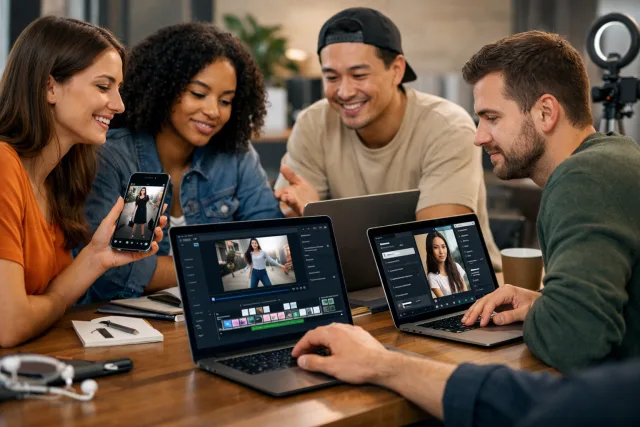
Centralize video files and edits using cloud storage solutions so all team members access the latest versions.
Use desktop or mobile video editors before uploading to TikTok to ensure quality and consistency.
Clear naming conventions help track versions and avoid confusion during collaboration.
Step 2: Use a Single Device or Account for Draft Uploads
Designate one device or TikTok account for uploading drafts to maintain a single source of truth.
Save drafts on this device to allow team reviews and feedback without creating duplicates.
Share screenshots or screen recordings of drafts to facilitate asynchronous feedback without multiple uploads.
Step 3: Communicate Clearly About Draft Status
Use project management or chat tools to track which videos are in review, approved, or ready for publishing.
Mark drafts with clear statuses to avoid confusion and duplicate work.
Document requested changes so edits are tracked and implemented consistently.
Step 4: Plan the Final Upload and Handoff
Confirm the draft is the final approved version before publishing to avoid errors.
Publish directly from the device or account where the draft resides to prevent duplicate uploads.
Record published video details such as URLs, captions, and hashtags for team reference and analytics tracking.
Step 5: Cross-Posting and Federation Considerations
Plan cross-posting to platforms like Instagram, YouTube, Facebook, LinkedIn, Pinterest, Mastodon, and Bluesky carefully to maintain video quality and metadata accuracy.
Leverage tools like VidSyndicate to syndicate content efficiently and avoid multiple manual uploads.
Consider federation-friendly platforms to expand audience reach on open networks while managing distribution tradeoffs.
Step 6: Incorporate VidSyndicate into Your Workflow
VidSyndicate centralizes video uploads, enabling one upload and multi-platform distribution including TikTok.
It provides dashboards for draft review, approval, and clean final publishing handoffs.
Using VidSyndicate reduces duplicate uploads, streamlines team workflows, and keeps analytics consolidated.
Step 7: Learn from Examples and Iterate
Small marketing teams benefit from shared devices for draft uploads and centralized accounts for publishing.
Creators with small crews can use cloud editing and VidSyndicate for cross-platform publishing.
Content agencies can document feedback and track published content using project management tools integrated with VidSyndicate.
Iterate your process based on team feedback to enhance efficiency and clarity.
Optimizing TikTok Draft Workflows for Remote and Distributed Teams
Remote and distributed teams face unique challenges when collaborating on TikTok video content. Unlike co-located groups, they cannot rely on quick in-person reviews or device sharing. To build a reliable TikTok draft workflow remotely, teams must leverage cloud tools and clear communication protocols to bridge the distance gap. Establishing a central video repository accessible to all team members is crucial for remote collaboration. Cloud storage platforms like Google Drive, Dropbox, or specialized video collaboration tools allow teams to upload raw footage and edited versions, ensuring everyone works from the same source files.
Since TikTok drafts are device-specific, remote teams cannot directly share drafts within the app. Instead, asynchronous review methods such as screen recordings of draft playback or annotated screenshots become essential. These can be shared through messaging apps or project management platforms to collect feedback efficiently without requiring simultaneous presence.
Remote teams should adopt scheduled review cycles to maintain momentum and avoid bottlenecks. Setting fixed deadlines for draft submissions and feedback rounds keeps the workflow predictable and transparent. Using project management tools with clear task assignments and status updates helps remote collaborators track progress and prevents confusion over which draft version is current.
Finally, remote teams benefit from video conferencing sessions to discuss major edits or creative direction. While asynchronous communication supports day-to-day review, live meetings provide an opportunity to align on vision and resolve complex feedback. Combining cloud-based file management, asynchronous draft reviews, and periodic synchronous check-ins creates a sustainable TikTok draft workflow for distributed teams.
Leveraging TikTok Analytics to Inform Draft Revisions
TikTok provides valuable analytics that teams can use to refine video content before final publishing. While draft videos themselves do not generate performance data, insights from similar published content can guide draft revisions to maximize engagement. Teams should analyze metrics such as watch time, completion rates, and audience demographics on previously published videos to understand what resonates with their target viewers.
Using these insights, video editors can adjust pacing, visual effects, or call-to-action placements within drafts to better align with audience preferences. For example, if analytics show viewers drop off early, teams might shorten intros or add engaging elements sooner in the video. If certain hashtags or captions drive higher reach, those can be incorporated into the draft’s metadata for review.
Additionally, teams can perform A/B testing on TikTok by publishing similar videos with slight variations and monitoring performance. Lessons learned from these tests can inform the draft workflow by identifying best practices for video length, style, or content themes. Although direct A/B testing with drafts is not possible due to TikTok’s platform limitations, iterative learning from published videos helps improve drafts before final handoff.
Integrating analytics review into the draft workflow encourages data-driven content creation. Teams should schedule periodic analytics reviews aligned with draft cycles to apply findings systematically. This approach transforms the TikTok draft process from guesswork into an iterative optimization exercise that elevates video quality and audience impact.
Managing Permissions and Access for TikTok Draft Workflows
Effective TikTok draft workflows depend on controlling who can upload, edit, review, and publish videos. Teams must establish clear permissions to protect content integrity and avoid accidental overwrites or unauthorized publishing. Start by defining roles such as content creator, editor, reviewer, and publisher, each with specific responsibilities and access levels.
Since TikTok’s app does not support multi-user draft management, teams should rely on external tools and processes to manage permissions. For example, shared cloud storage folders should have restricted editing rights to prevent accidental changes. Project management platforms can assign tasks and control visibility based on team roles, ensuring sensitive drafts are accessible only to authorized members.
When using a single device or account for draft uploads, limit physical and login access to trusted team members. Device passcodes and app-level authentication can prevent unauthorized publishing. Maintain an audit trail by documenting who uploads drafts, provides feedback, and publishes videos, enhancing accountability and enabling issue resolution if mistakes occur.
For larger teams or agencies, consider integrating TikTok Business Accounts with team management features offered by TikTok or third-party platforms like VidSyndicate. These solutions provide more granular access controls and centralized dashboards for draft workflow management. Establishing a permissions framework tailored to your team size and structure safeguards your TikTok content pipeline and supports smooth collaboration.
Integrating TikTok Draft Workflows with Broader Social Media Strategies
Building a TikTok draft workflow is a critical piece, but it should align with your overall social media content strategy for maximum impact. TikTok videos often serve as a starting point for content that can be repurposed across other channels like Instagram Reels, YouTube Shorts, and Facebook Stories. When planning your draft workflow, consider the lifecycle of each video beyond TikTok to maintain consistency and efficiency.
Start by defining how TikTok content fits into your brand’s voice and messaging across platforms. Ensure that captions, hashtags, and calls to action are tailored not just for TikTok’s audience but also for the nuances of other networks. This requires early coordination during the draft stage, so reviewers can assess suitability for cross-posting or platform-specific adjustments.
Use a content calendar that integrates TikTok drafts with scheduled posts on other platforms. This helps avoid overlap, content fatigue, or conflicting messaging. Teams should assign clear ownership for each platform’s publishing tasks, ensuring that when a TikTok draft reaches final approval, corresponding content for other channels is ready or scheduled.
Finally, track performance holistically by aggregating analytics from TikTok and other platforms. This informs future content creation and draft workflows by highlighting which formats and messages resonate best across your social media ecosystem. Integrating TikTok draft workflows with your broader strategy enhances brand coherence and resource efficiency.
Handling TikTok Drafts in High-Volume Content Production
For teams producing a large volume of TikTok videos regularly, managing drafts can quickly become overwhelming without disciplined processes. High-volume workflows demand automation, clear naming conventions, and robust version control to keep drafts organized and accessible for review and publishing. Establish a standardized file naming system that includes key metadata such as project name, date, version number, and status. This allows team members to quickly identify the latest draft and its approval stage.
Implement batching strategies where videos are grouped by theme, campaign, or publishing date. This helps streamline review sessions and publishing routines, reducing context switching for team members. For example, a team might upload all drafts for a product launch campaign to a shared folder and conduct feedback rounds collectively rather than individually.
Leverage workflow automation tools where possible. Project management platforms like Asana or Trello can be configured with custom fields and automated triggers to update draft statuses or notify stakeholders when a draft is ready for review or publishing. Automation reduces manual tracking errors and keeps the team aligned despite volume pressures.
Ensure your final handoff process scales as well. When publishing multiple TikTok videos in a batch, maintain a checklist to verify each draft’s final version, caption, hashtags, and posting time. Document published video URLs and analytics consistently to support post-campaign analysis. A disciplined approach to high-volume TikTok drafts prevents bottlenecks, errors, and missed opportunities.
Best Practices for Caption and Hashtag Management in TikTok Drafts
Captions and hashtags are critical components of TikTok videos that influence discoverability and engagement. Incorporating caption and hashtag planning into your draft workflow ensures these elements are crafted thoughtfully and approved along with the video content. Start by drafting captions that are concise, clear, and aligned with your brand tone. Avoid overly generic or spammy hashtags that can dilute reach or violate platform guidelines.
Maintain a shared document or spreadsheet listing approved hashtags tailored to your niche or campaign. This serves as a reference during draft creation and review to ensure consistent tagging. Encourage team members to suggest new hashtags based on trending topics or audience insights, but vet these before inclusion to maintain quality and relevance.
During draft review, assess captions and hashtags for clarity, compliance, and effectiveness. Check for spelling errors, inappropriate language, or outdated tags. Reviewers should verify that hashtags support your content strategy, targeting both broad and niche audiences to maximize reach without attracting irrelevant traffic or bots. Once approved, lock captions and hashtags as part of the final draft metadata to avoid last-minute changes that could cause confusion or duplicate uploads.
Finally, monitor hashtag performance post-publishing and update your approved list regularly. Incorporating caption and hashtag management into your TikTok draft workflow promotes strategic, consistent, and compliant content that supports your video’s success on the platform. This attention to detail also smooths final handoffs and publishing accuracy.
How this connects to VidSyndicate
VidSyndicate supports streamlined video workflows across TikTok and other platforms, making it easier for teams to manage drafts, publish once, and hand off final content cleanly. For creators aiming to simplify multi-platform publishing, see our guide on how to Upload Video Once, Post Everywhere to maintain consistent quality across your channels. Useful next reads are Upload Video Once, Post Everywhere and Cross Post YouTube Shorts to TikTok.