Understanding the Local Video Marketing Opportunity
Local businesses have a unique advantage in video marketing: their authenticity and community ties. Unlike national brands, local businesses can showcase real customer interactions, behind-the-scenes content, and local culture that resonates deeply with nearby audiences. This kind of content naturally builds trust and engagement.
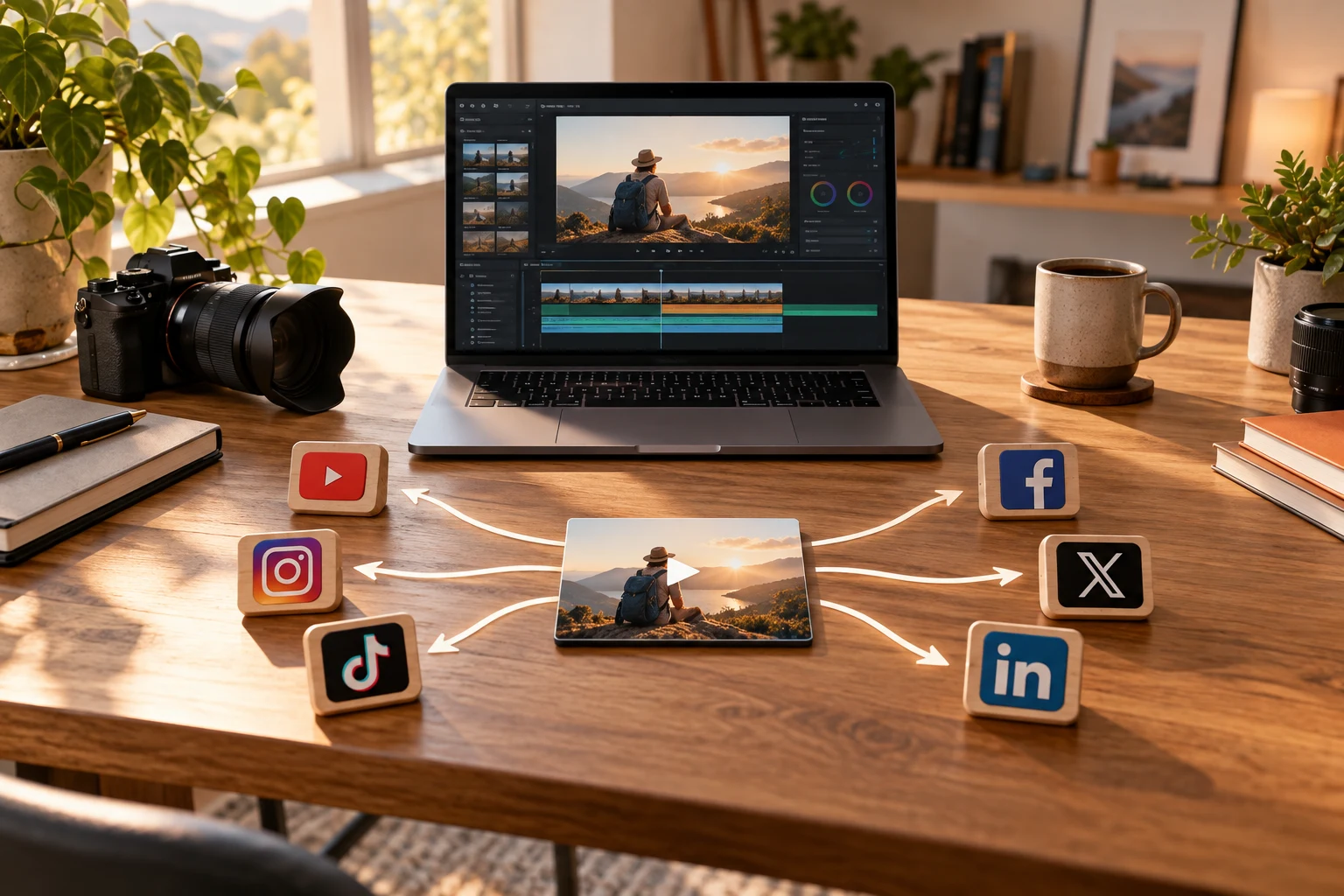
Video marketing today spans platforms like Facebook, Instagram, TikTok, LinkedIn, Pinterest, and YouTube, plus emerging federated networks like Mastodon and Bluesky. Each platform has its own audience nuances and content formats, but the core principle remains the same: authentic, relevant content drives local growth.
To capitalize on this, you need a repeatable video marketing plan built around authentic source content and a workflow that supports consistent publishing without overwhelming your team.
Step 1: Define Your Local Growth Goals
Start by clarifying what local growth means for your business. Is it more foot traffic, online orders, event attendance, or community awareness? Your video marketing plan should align with these goals.
For example, a local restaurant may want to increase dinner reservations by showcasing its ambiance and happy customers. A boutique store might focus on educating viewers about unique products or local artisans.
Setting measurable goals helps tailor your content and distribution strategy — whether that means tracking video views, engagement rates, or direct inquiries.
Step 2: Source Authentic Video Content
Authenticity is your biggest asset. Instead of scripted ads, focus on capturing real moments.
Use smartphones or entry-level cameras to keep the process easy and natural. Encourage team members to capture short clips regularly instead of waiting for a big production day.
Organize content by themes or topics to maintain consistency and make repurposing easier.
Step 3: Tailor Content to Platform Strengths
Each platform values different video styles and lengths:
Adjust your video edits and captions accordingly. For instance, shorter clips with engaging hooks work well on TikTok and Reels, while detailed explanations suit YouTube.
Step 4: Create a Repeatable Publishing Workflow
Consistency is key to building an audience. Develop a workflow that reduces friction:
This workflow minimizes last-minute rushes and content gaps.
Step 5: Balance Automation with Human Oversight
Automating parts of your workflow saves time but requires balance. Automated cross-posting tools can distribute videos to Facebook, Instagram, TikTok, YouTube, and federated networks efficiently.
However, certain platforms demand manual review for captions, hashtags, or compliance with community guidelines. Additionally, local context matters—ensure messaging remains relevant and sensitive to your community.
Step 6: Cross-Post Smartly to Federated Networks
Federated platforms like Mastodon and Bluesky offer a growing space for authentic local content without the noise of large algorithms. Cross-posting here complements your mainstream platform strategy.
Tradeoffs include smaller audiences but higher engagement quality and broader discoverability across open networks.
Tailor posts to suit the tone of these communities—focus on storytelling, local events, and meaningful interactions.
Step 7: Measure, Learn, and Iterate
Track metrics tied to your local goals: video views, shares, comments, direct messages, and conversions.
Platforms like Facebook and TikTok provide in-depth analytics. Federation networks may require manual tracking or third-party tools.
Use insights to refine content themes, posting times, and platform focus. For example, if customer testimonial videos perform well on Instagram but less so on LinkedIn, adjust your strategy accordingly.
Step 8: Leverage VidSyndicate to Simplify Your Workflow
VidSyndicate supports local businesses by centralizing video publishing workflows across Facebook, Instagram, TikTok, LinkedIn, Pinterest, YouTube, Mastodon, and Bluesky. It enables uploading once and posting everywhere with platform-specific optimizations.
Using VidSyndicate helps you maintain consistency and authenticity without juggling multiple tools or manual uploads. You can schedule videos, customize metadata per platform, and track engagement—all from one dashboard.
For teams seeking a streamlined approach to managing multi-platform video publishing, VidSyndicate’s Social Media Video Scheduler offers practical support to keep your local video marketing plan on track.
Integrating Community Engagement into Your Video Strategy
Community engagement is a cornerstone of successful local video marketing. Videos should not only showcase your business but also invite interaction and foster a sense of belonging among your audience. Encouraging viewers to comment, share their experiences, or ask questions creates a two-way conversation that deepens relationships and builds loyalty.
Start by incorporating calls to action in your videos that prompt viewers to engage. For example, ask customers to share their favorite product, suggest ideas for upcoming videos, or tag friends who might be interested. Respond promptly and authentically to comments to reinforce that your business values community input and connection, which is especially important for local audiences.
Consider hosting live video sessions on platforms like Facebook or Instagram where you can interact with viewers in real time. These sessions can include Q&A, behind-the-scenes tours, or live demonstrations. Live video humanizes your brand and makes the audience feel included, enhancing trust and emotional connection with your local community members.
Finally, leverage user-generated content by inviting customers to share their own videos related to your business or local events. Feature these videos in your marketing channels with permission. This approach not only expands your content pool but also empowers your community to become brand advocates, amplifying your reach organically. Authentic peer voices resonate strongly in local markets.
Optimizing Video Content for Local SEO and Discovery
Video content can significantly boost your local search engine optimization (SEO) efforts when optimized correctly. Start by incorporating local keywords naturally into your video titles, descriptions, and captions. These keywords can include your city, neighborhood, or region, as well as local landmarks or events relevant to your business and audience.
Use descriptive, keyword-rich captions and transcripts for your videos. Many platforms support captions, and having them improves accessibility, watch time, and search discoverability. Transcripts can also be published alongside your videos on your website or blog, further enhancing SEO value by providing text content search engines can crawl easily.
Create location-specific playlists or video series on platforms like YouTube that target different aspects of your community or business offerings. For example, a local bakery might produce a playlist featuring local ingredient sources, community event sponsorships, and customer testimonials. This structured content helps search engines understand your local relevance and improves chances of appearing in local search results.
Finally, embed your videos on your business website with proper schema markup for local business and video content. This technical step signals to search engines that your video is tied to your local business, increasing the likelihood of appearing in rich snippets and local video carousels in search results. Consistent NAP (Name, Address, Phone) information alongside video content also supports local SEO efforts.
Creating Evergreen Video Content for Long-Term Value
While trending and timely content can capture immediate attention, evergreen videos provide ongoing value and continually attract new local customers over time. Evergreen content covers topics that remain relevant regardless of season or current events, such as how-to guides, product demonstrations, or frequently asked questions about your business.
Identify common questions or challenges your customers face and create concise, informative videos addressing them. For instance, a local hardware store could produce videos on basic home repairs or tool usage. These videos serve as a helpful resource and position your business as an expert in your niche, building trust with new and existing customers alike.
Repurpose evergreen videos across multiple platforms by adjusting length and format to fit each channel’s preferences. For example, a detailed YouTube tutorial can be trimmed into short clips for Instagram Reels or TikTok, maintaining the core message while adapting to audience attention spans and platform styles. This repurposing maximizes the return on your content creation efforts.
Regularly review your evergreen videos to ensure information remains accurate and update them as needed. Refreshing video thumbnails, titles, and descriptions can also help maintain visibility in platform feeds and search results. Over time, a well-curated library of evergreen videos becomes a valuable asset that supports your local marketing goals continuously.
Harnessing Local Events and Partnerships for Video Content
Local events and partnerships provide rich opportunities for creating engaging video content that highlights your business’s community involvement and relevance. Whether it’s a farmers market, charity event, or local festival, capturing video footage at these gatherings showcases your business as an active community member and creates authentic stories that resonate with your local audience.
To make the most of local events, plan ahead by researching upcoming happenings in your area and coordinating with event organizers. This allows you to identify moments worth capturing, such as interviews with other vendors, customer reactions, or unique event highlights. These videos can then be repurposed across your social channels, offering fresh content that ties your business to local culture.
Partnerships with other local businesses or community organizations can also fuel video content creation. Collaborative videos, such as joint product demonstrations, co-hosted workshops, or cross-promotional customer testimonials, expand your reach by tapping into each partner’s audience. These authentic collaborations reinforce your business’s local roots and build goodwill within the community.
When producing partnership content, aim for a natural tone that reflects genuine relationships rather than overt advertising. Highlight shared values or goals, and encourage partners to contribute video clips or ideas. This decentralized approach lightens your content creation load while enriching your video marketing plan with diverse perspectives.
Utilizing Customer Feedback to Refine Video Content
Customer feedback is a valuable resource to improve your video marketing strategy and ensure your content meets local audience expectations. Actively soliciting feedback through comments, surveys, or direct messages helps identify which video topics, formats, or platforms resonate most with your community. This insight guides content planning and boosts engagement.
Encourage viewers to share their thoughts on your videos by asking clear questions at the end of each clip, such as what topics they want covered next or how your products have helped them. Monitor responses carefully and consider common themes or suggestions as opportunities for new video ideas or adjustments in style and messaging to better suit your audience.
Beyond solicited feedback, observe organic engagement patterns to detect what works. For example, videos with higher watch time, shares, or comments indicate strong audience interest. Use these analytics alongside qualitative feedback to refine your content calendar and prioritize themes that drive local relevance and customer connection effectively.
Incorporating customer feedback also demonstrates that your business listens and values community input, deepening trust and loyalty. Communicate changes or new content inspired by viewer suggestions to reinforce this relationship. Over time, this iterative approach creates a dynamic video marketing plan that evolves with your local audience’s preferences.
Maximizing Video Impact with Strategic Posting Times
Posting your videos when your local audience is most active significantly increases visibility and engagement. Each social media platform provides insights into peak activity times for your followers, which you should analyze regularly to optimize your publishing schedule. This data-driven approach ensures your authentic content reaches viewers when they’re most receptive.
Experiment with posting at different times of day and days of the week to identify patterns specific to your community. For instance, local professionals might engage more during lunch breaks or early evenings, while families could be active on weekends. Tailoring your schedule to these nuances enhances the chances that your videos will be watched, shared, and commented on promptly.
Use scheduling tools that allow you to queue posts in advance based on your optimal times. This reduces manual effort and helps maintain consistency, a key factor in audience growth. VidSyndicate, for example, supports scheduling across multiple platforms, making it easier to publish videos simultaneously or staggered according to each platform’s peak usage.
Keep in mind that time zones and local events may influence engagement patterns, so stay flexible and adjust your posting strategy accordingly. For example, posting a video promoting a weekend event on Thursday afternoon might generate more anticipation and shares than posting it on the event day itself. Strategic timing amplifies your video marketing effectiveness without extra content creation.
How this connects to VidSyndicate
VidSyndicate streamlines your local business video marketing by simplifying cross-posting to platforms like Facebook, Instagram, TikTok, and even federated networks such as Mastodon and Bluesky. This centralized workflow saves time while preserving authentic content, letting you focus on connecting with your community. For more on managing multi-platform video scheduling, check out our Social Media Video Scheduler guide. Useful next reads are Social Media Video Scheduler and Upload Video Once, Post Everywhere.